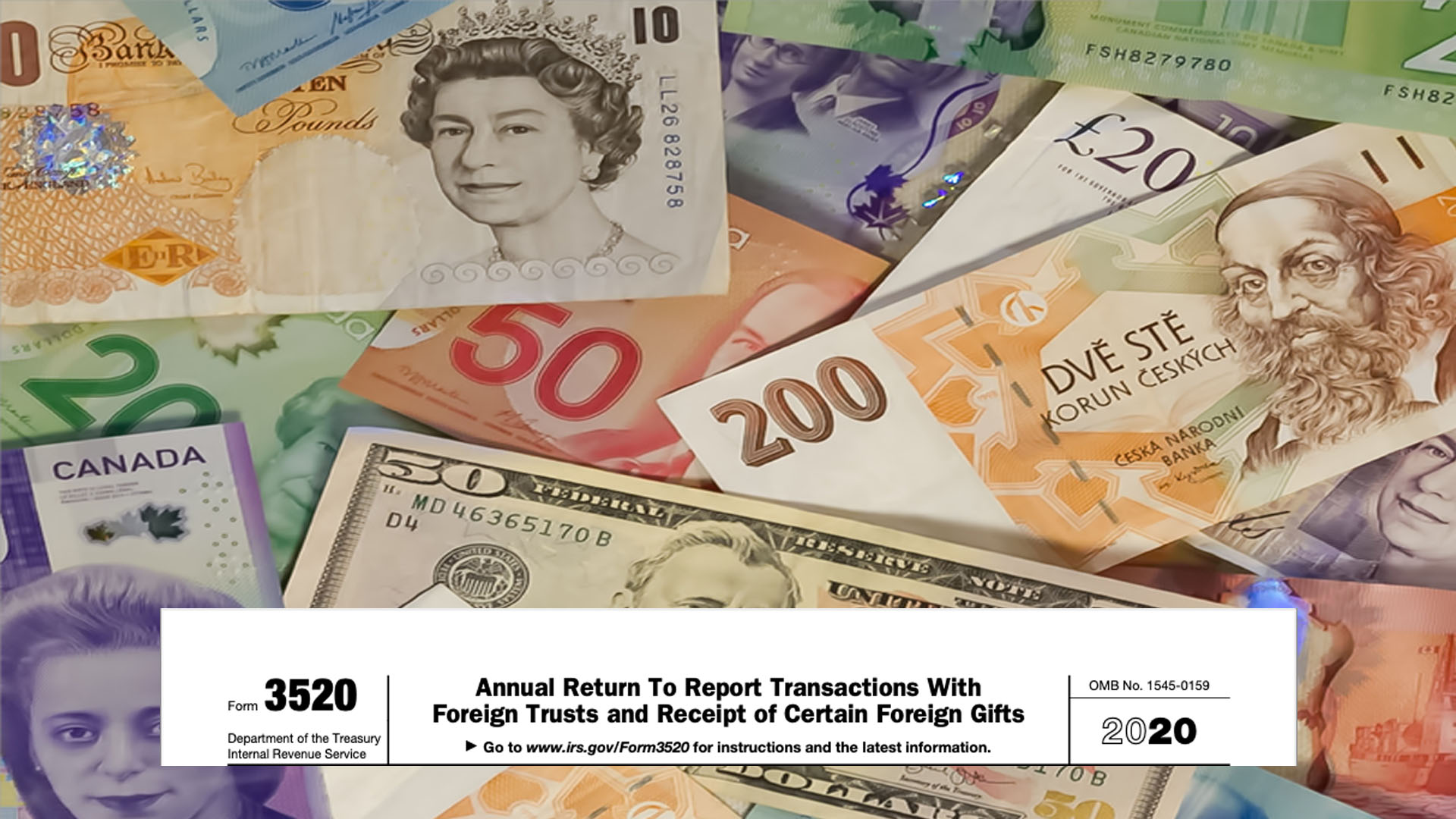
Whatever You Need to Learn About Coverage a Foreign Gift: A Comprehensive Guide
Coverage foreign presents is a critical element for U.S. institutions. Comprehending the lawful requirements and the ramifications of non-compliance is crucial for preserving stability. Establishments have to navigate intricate coverage limits and deadlines. Correct documentation plays a crucial function in this process. As the landscape of international contributions advances, organizations should adapt their techniques as necessary. What are the very best approaches to assure compliance and transparency?
Recognizing Foreign Presents: Meaning and Extent
While several institutions might obtain various types of support, comprehending foreign gifts requires a clear definition and range. Foreign gifts refer to any kind of solutions, funds, or materials offered by international entities, people, or federal governments to U.S. institutions. These gifts can can be found in various kinds, consisting of cash contributions, residential property, research funding, and scholarships.
The scope of foreign gifts includes not just straight financial backing yet likewise in-kind payments that may influence the institution's procedures or study concerns. It is essential for institutions to identify the effects of accepting such presents, as they may bring details problems or assumptions from the benefactor. Recognizing the subtleties of international gifts help organizations in keeping transparency and liability while promoting international partnerships. Inevitably, a detailed grasp of foreign gifts is necessary for establishments to navigate the complexities of financing and maintain their stability in the academic and research study area.
Legal Needs for Coverage Foreign Gifts
Additionally, government laws might necessitate transparency regarding the resources of financing, specifically if connected to sensitive research study areas. Establishments must keep exact documents of foreign presents, assuring they can corroborate reported contributions during audits. This procedure frequently requires cooperation amongst various institutional departments, consisting of money, lawful, and conformity teams, to ensure adherence to both institutional plans and federal guidelines. Comprehending these lawful frameworks is crucial for institutions to successfully handle and report foreign gifts.
Trick Coverage Thresholds and Deadlines
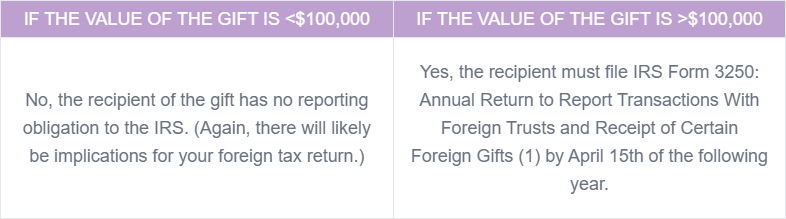
Institutions need to know certain reporting deadlines and thresholds to validate compliance with regulations regarding foreign presents. The United State Department of Education needs organizations to report any kind of foreign gifts surpassing $250,000 within a fiscal year. This threshold incorporates both individual gifts and advancing contributions from a solitary international source.
Additionally, institutions have to report any type of foreign presents going beyond $100,000 to the Foreign Professionals Registration Act (FARA) if the gifts are connected to lobbying or political tasks.
Target dates for reporting are essential; organizations are usually required to submit yearly reports by July 31 for gifts received during the previous fiscal year. Failure to satisfy these limits or target dates may bring about penalties, including loss of federal financing. Because of this, institutions must establish a thorough surveillance and reporting process to ensure adherence to these essential guidelines.
Just How to Properly Paper and Record Foreign Present
Correct documents and reporting of international presents call for a clear understanding of the necessary conformity procedures. This includes sticking to a called for documents list and adhering to recognized coverage treatments. Legal considerations must likewise be taken into consideration to guarantee full conformity with applicable policies.
Required Paperwork Checklist
When reporting foreign gifts to ascertain conformity with governing needs, precise documents is important. Organizations must preserve an in-depth document of each gift, including the benefactor's name, the amount or value of the gift, and the date it was received. In addition, a description of the function of the gift and any constraints enforced by the benefactor must be documented. Document with the benefactor, such as letters or e-mails, can provide context and confirmation. It is also crucial to include any type of appropriate agreements or contracts. Financial documents, such as financial institution declarations or receipts, ought to sustain the value of the present. Proper company and retention of these files will facilitate the coverage process and guarantee adherence to standards.
Coverage Procedures Introduction
When steering the complexities of reporting international presents, it is necessary to adhere to established treatments to assure compliance with governing requirements. Organizations needs to begin by recognizing the nature and worth of the present, seeing to it precise documentation. This includes compiling receipts, donor correspondence, and any type of appropriate contracts. Next, entities need to submit the required forms to the ideal governmental bodies, usually including the Division of Education or other designated agencies. It is vital to follow due dates, as tardy entries may result in charges. Furthermore, preserving detailed documents of the reporting procedure is necessary for future audits. Companies must train their employees on these treatments to ensure constant conformity throughout all divisions.
Conformity and Lawful Factors To Consider
Just how can organizations assure they meet conformity and legal standards when recording foreign presents? To establish adherence, organizations have to develop a thorough reporting structure that includes clear meanings of international presents and limits for reporting needs. Accurate documents is crucial, demanding in-depth documents of the gift's value, source, and objective. Organizations needs to execute interior policies for prompt reporting to appropriate authorities, including government companies, as stipulated by the International Presents and Agreements Disclosure Act. Training team on conformity methods and preserving open lines of communication with lawful advise can even more improve wikipedia reference adherence. Routine audits visit this website of foreign present documents practices will certainly aid determine prospective conformity spaces, assuring companies promote lawful standards while fostering openness in their monetary relationships.
Repercussions of Non-Compliance in Coverage
Failure to follow foreign gift coverage requirements can cause substantial legal charges for organizations. Furthermore, non-compliance might tarnish an organization's reputation, weakening trust with stakeholders. Understanding these repercussions is necessary for maintaining both legal and ethical requirements.
Legal Penalties for Non-Compliance
Non-compliance in reporting foreign gifts can result in considerable lawful charges that may adversely influence establishments and individuals alike. The Federal federal government purely enforces policies bordering international payments, and violations can result in serious consequences, including significant penalties. Institutions may encounter penalties getting to thousands of dollars for each instance of non-compliance, relying on the quantity of the unreported present. Furthermore, individuals associated with the reporting process might experience personal liabilities, including fines or prospective criminal charges for unyielding forget. The capacity for audits increases, leading to more examination of economic methods. In general, understanding and adhering to reporting needs is important to prevent these significant legal implications and assurance conformity with government regulations.
Impact on Institutional Online Reputation
While lawful penalties are a considerable issue, the influence on an institution's online reputation can be just as extensive when it concerns stopping working to here report foreign presents. Non-compliance can lead to public wonder about, destructive connections with stakeholders, alumni, and prospective benefactors. Establishments run the risk of being perceived as undependable or lacking transparency, which can prevent future financing opportunities. In addition, unfavorable media protection might magnify these issues, leading to a lasting taint on the organization's picture. This disintegration of reputation can have far-ranging consequences, including reduced registration, challenges in employment, and damaged partnerships with other scholastic or research institutions. Inevitably, the failure to follow reporting requirements not just jeopardizes monetary stability yet also endangers the stability and credibility of the establishment itself.

Best Practices for Handling International Gifts in Institutions
Properly taking care of international gifts in institutions needs a structured approach that prioritizes openness and compliance. Institutions need to develop clear plans laying out the acceptance, reporting, and usage of foreign presents. A devoted board can manage these policies, guaranteeing they align with both institutional values and regulative requirements.
Routine training for team associated with present administration is vital to maintain understanding of conformity obligations and moral considerations. Institutions have to carry out thorough due persistance on possible foreign donors to assess any kind of prospective threats connected with approving their gifts.
In addition, open communication with stakeholders, including professors and students, fosters depend on and mitigates issues relating to international impacts. Periodic audits of international gift purchases can assist determine any discrepancies and promote accountability. By executing these finest techniques, institutions can successfully browse the complexities of getting foreign gifts while securing their honesty and track record.
Regularly Asked Inquiries
What Sorts Of Foreign Gifts Are Excluded From Reporting?

Can Foreign Present Be Used for Personal Expenditures?
Foreign gifts can not be utilized for individual expenditures. They are intended for details functions, commonly pertaining to academic or institutional support, and misusing them for personal gain could cause lawful and honest effects.
Are There Fines for Late Coverage of Foreign Gifts?
Yes, fines can be enforced for late coverage of international presents. These might include penalties or constraints on future funding. Timely compliance is vital to avoid potential legal and financial consequences connected with such reporting requirements.
Just How Do Foreign Gifts Influence Tax Obligation Commitments?
Foreign presents might impact tax responsibilities by potentially undergoing reporting requirements and, in many cases, taxation. Recipients have to disclose these presents to assure compliance with IRS laws and avoid charges or unexpected tax obligation liabilities.
Can Establishments Reject International Presents Without Reporting?
Institutions can refuse foreign presents without reporting them, as there is no responsibility to approve contributions. report a foreign gift. If accepted, they should stick to regulative requirements pertaining to disclosure and possible effects on tax commitments.